
Washington Road Prescription-Scale Sediment Effectiveness Monitoring

Washington Road Prescription-Scale Sediment Effectiveness Monitoring

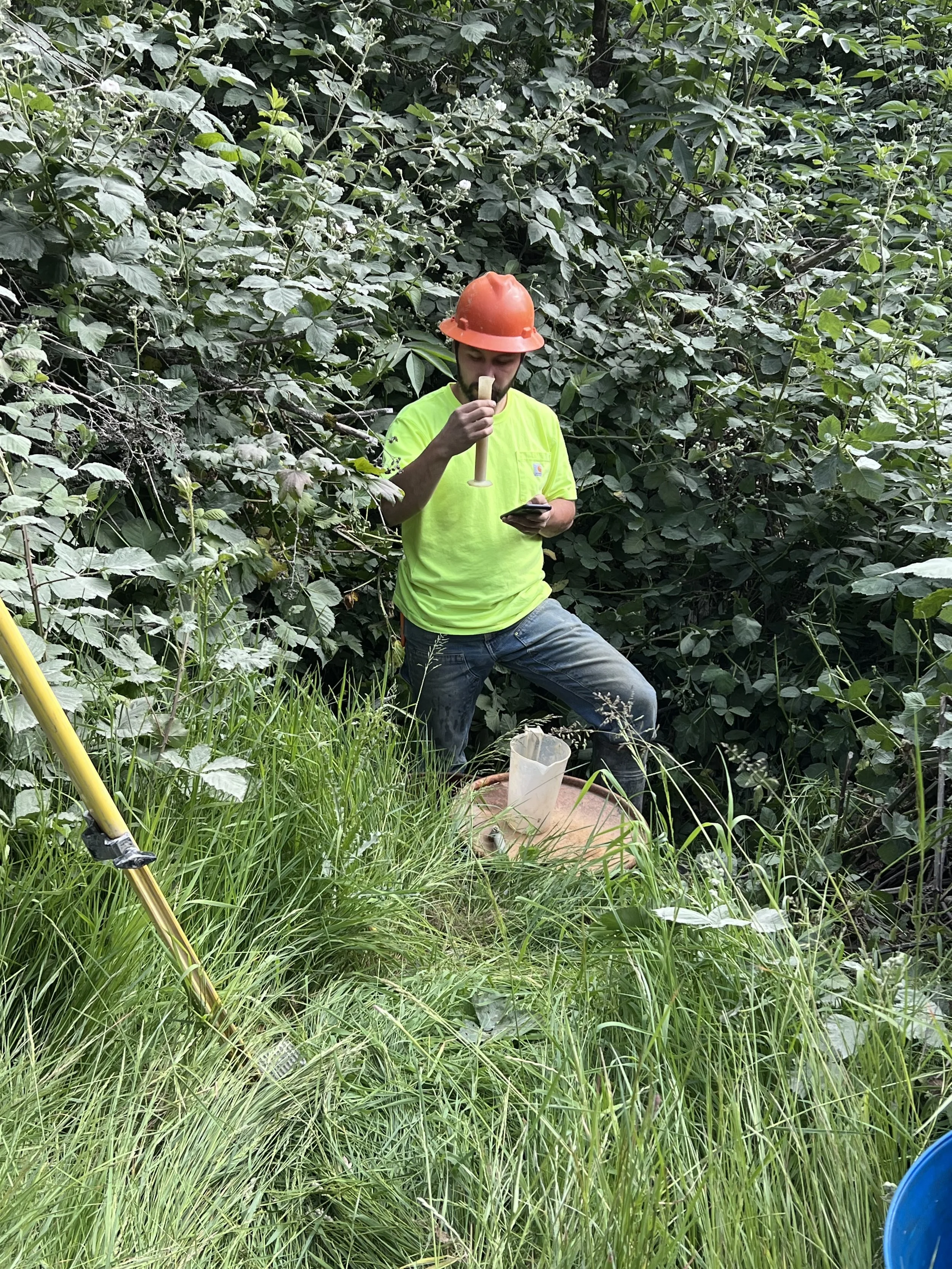
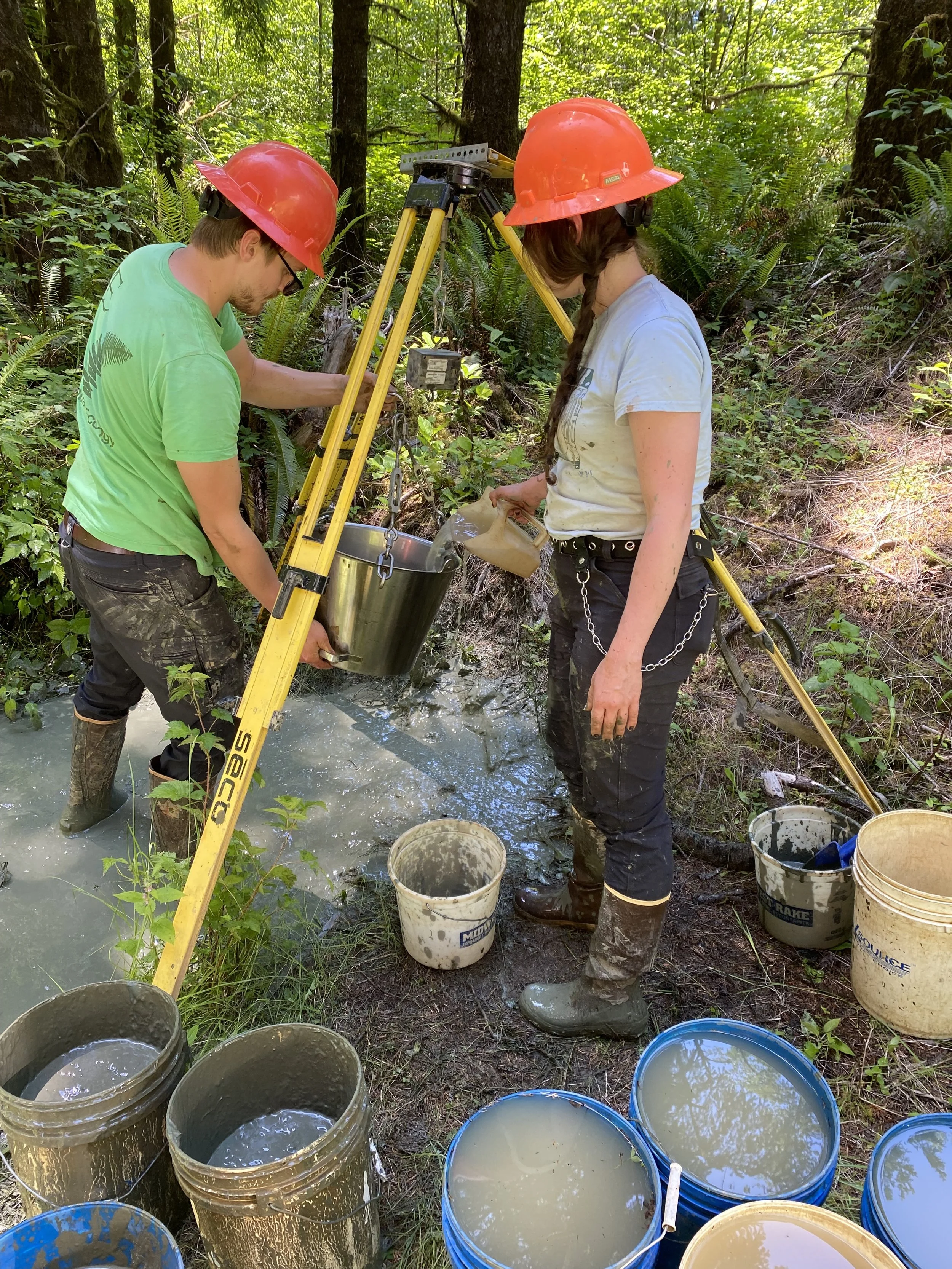
Since 2019, West Fork Environmental has served as prime contractor to the Washington State Department of Natural Resources (DNR) for the ongoing Road Prescription-Scale Effectiveness Monitoring Project, a long-term evaluation of forest-road best management practice effectiveness in western Washington. West Fork deploys field crews to service 80 instrumented sediment plots during prescribed monitoring windows and after significant storms to collect sediment runoff samples and service collection equipment.

At each plot, crews inspect the condition of the road prism and the runoff collection equipment, which consists of embedded collection troughs, tipping buckets that measure a precisely-calibrated volume of runoff, and suspended-solid tanks. Crews identify, document, and repair damage to the road and equipment to ensure continuous functionality and validity of data. Associated data loggers from rain gauges, traffic counters, and tipping buckets are downloaded to correlate sediment output from roads to both precipitation and road traffic volume.

The project requires sustained regional logistics, safe access to remote industrial forest roads, rapid response to weather-related problems, meticulous equipment stewardship, and consistent application of detailed monitoring protocols across a multi-year dataset. Despite the challenges, we are proud to do our part in monitoring the effectiveness of current best management practices and improving the quality of our road system.
 

Smolt Trapping Using Rotary Screw Traps in the Olympic Peninsula

Smolt Trapping Using Rotary Screw Traps in the Olympic Peninsula

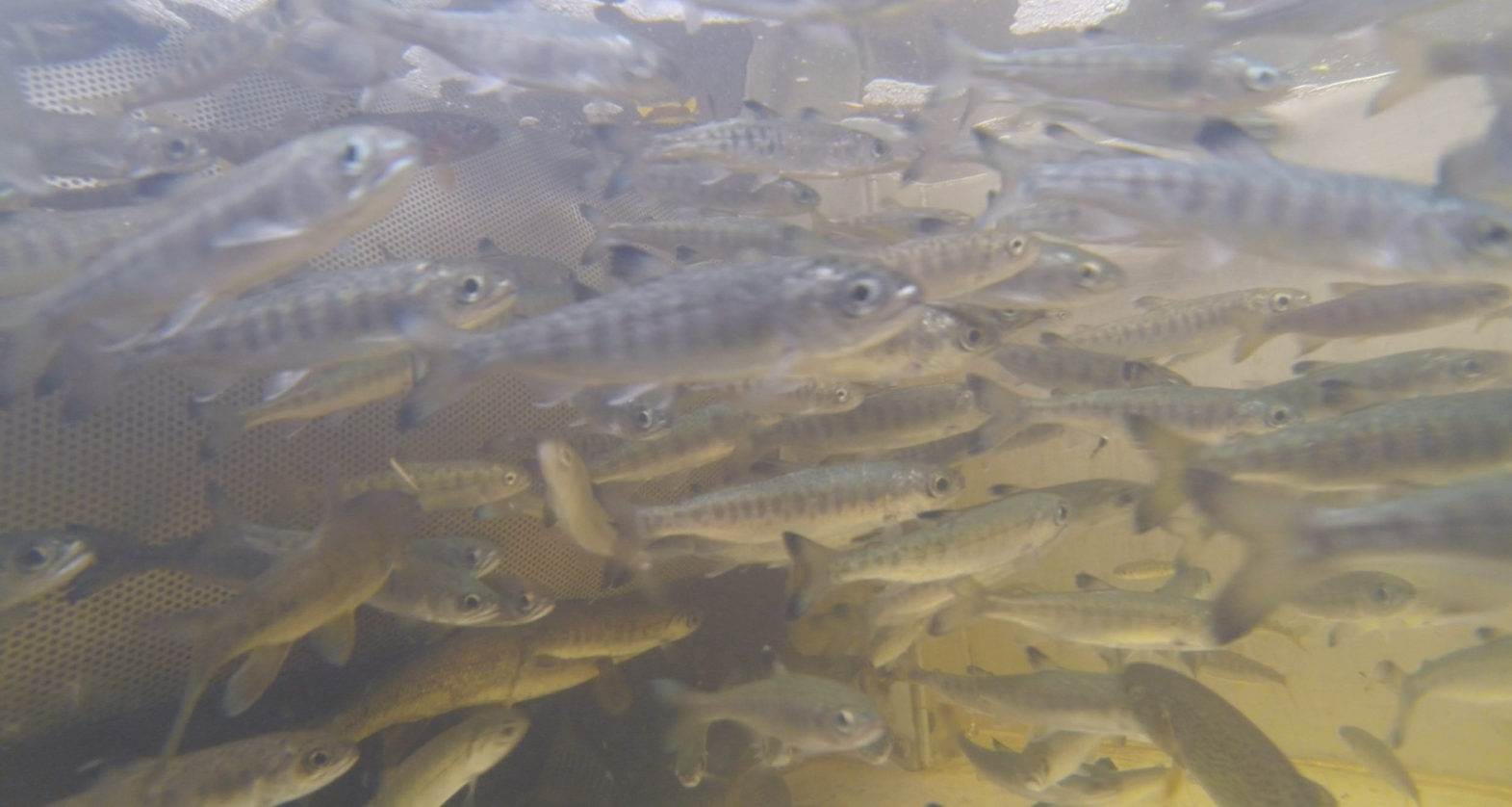
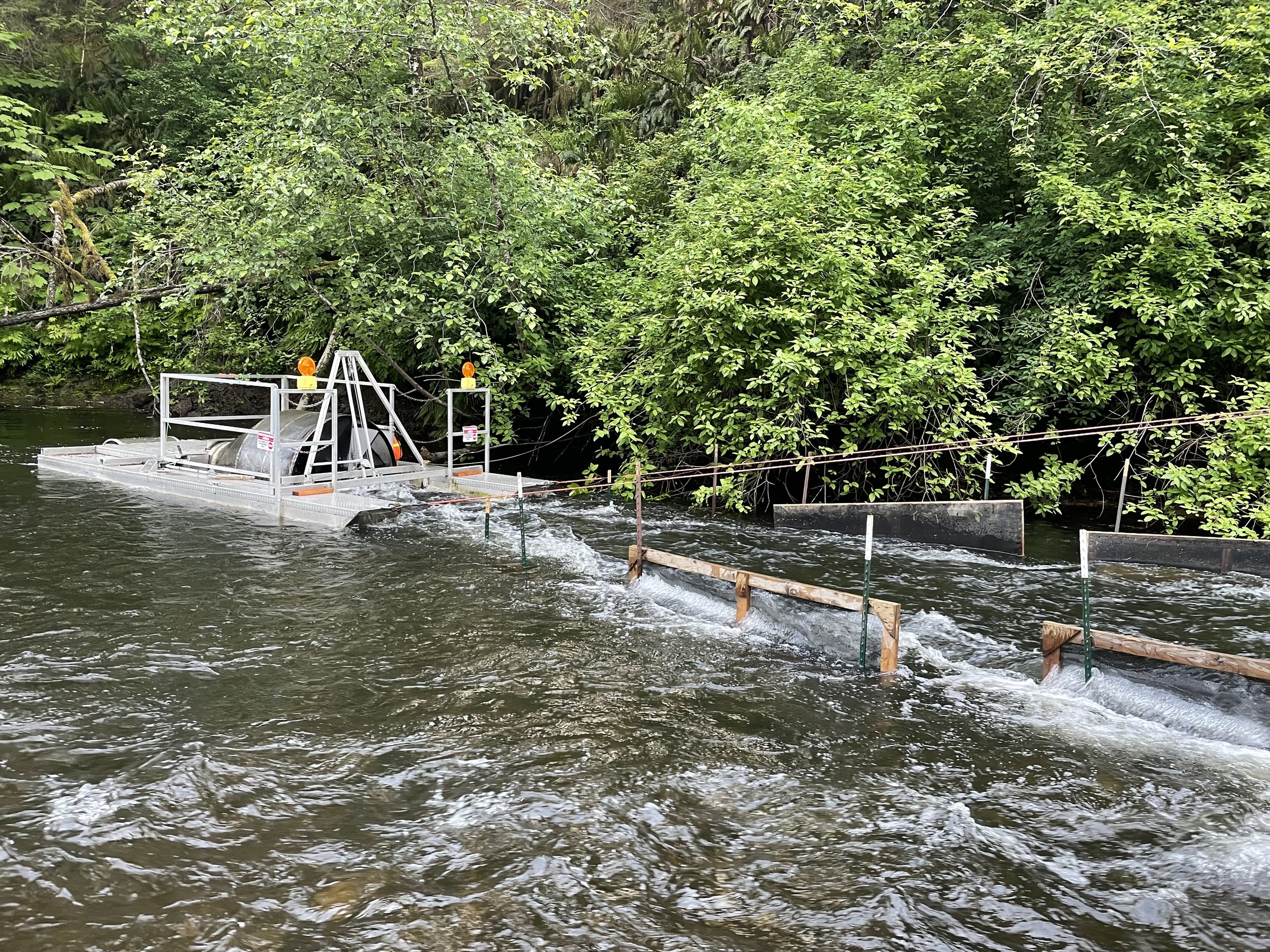
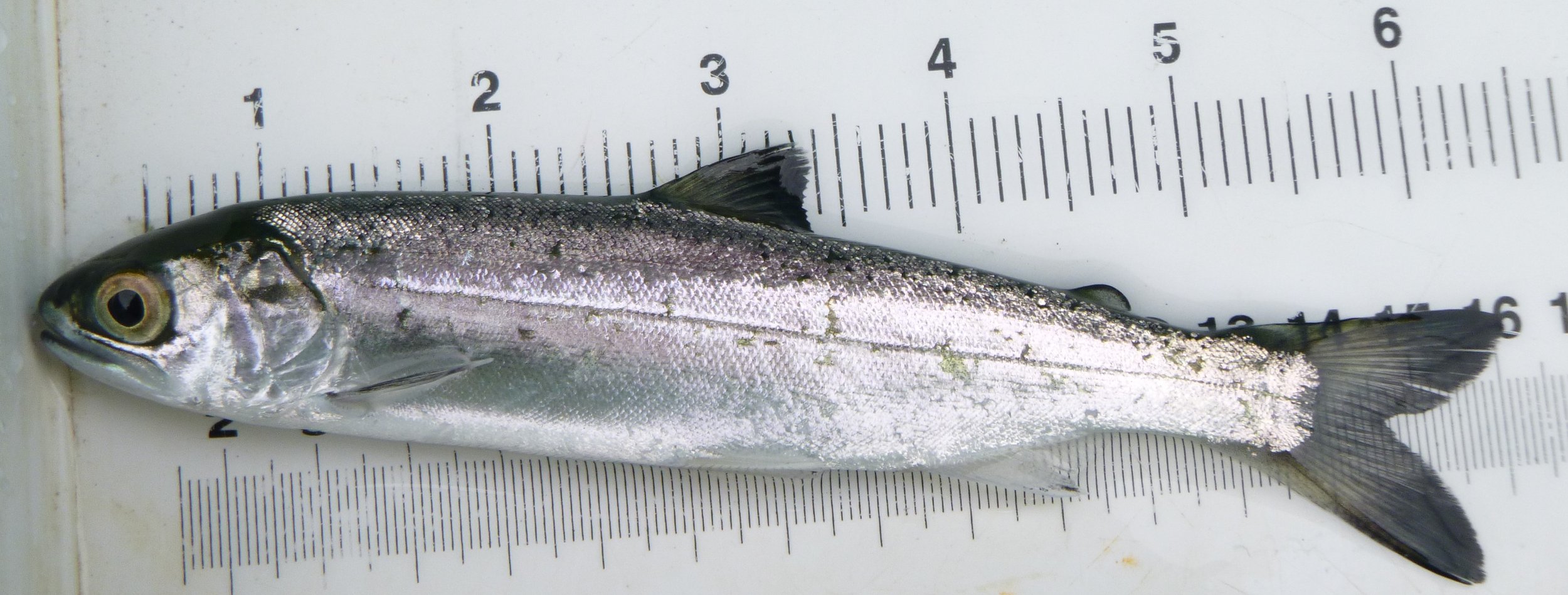
West Fork has partnered with a client to carry out a multi-year sampling effort to produce reliable smolt outmigration estimates for coho salmon in two Olympic Peninsula rivers using rotary screw traps. This is accomplished through the direct quantification of juvenile coho emigrations, evaluation of trap efficiency and assessment of influential environmental factors. Traps are operated 24/7 and checked by the field staff at least once per day from April through June. This effort will provide updated information on smolt production to help inform management decisions such as pre-season adult run forecasts and tribal/non-tribal fishing seasons.


Eastside Type N Riparian Effectiveness Project (ENREP)

Eastside Type N Riparian Effectiveness Project (ENREP)

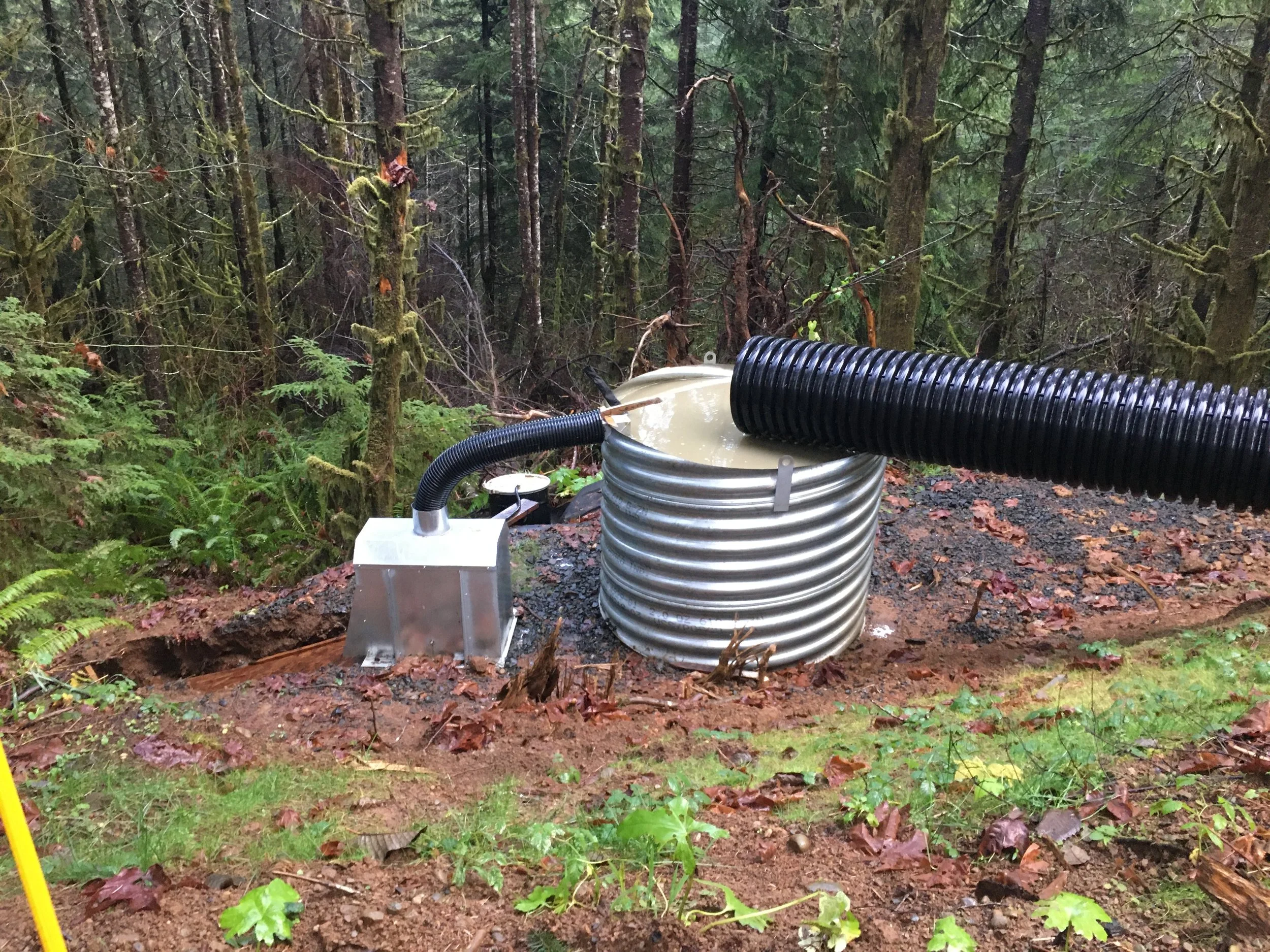
West Fork contracted with the Washington State Dept. of Natural Resources (WADNR) to manufacture and install Montana style hydraulic flumes for the Eastside Type N Riparian Effectiveness Project (ENREP).

Using eDNA to Determine Fish Presence/Absence

Using eDNA to Determine Fish Presence/Absence

In the Summer of 2018, eDNA collection and analysis was utilized as part of a larger project investigating fish distribution in Walsh Lake, located in the Cedar River Municipal Watershed.

Ballard Locks Smolt Flumes

Ballard Locks Smolt Flumes

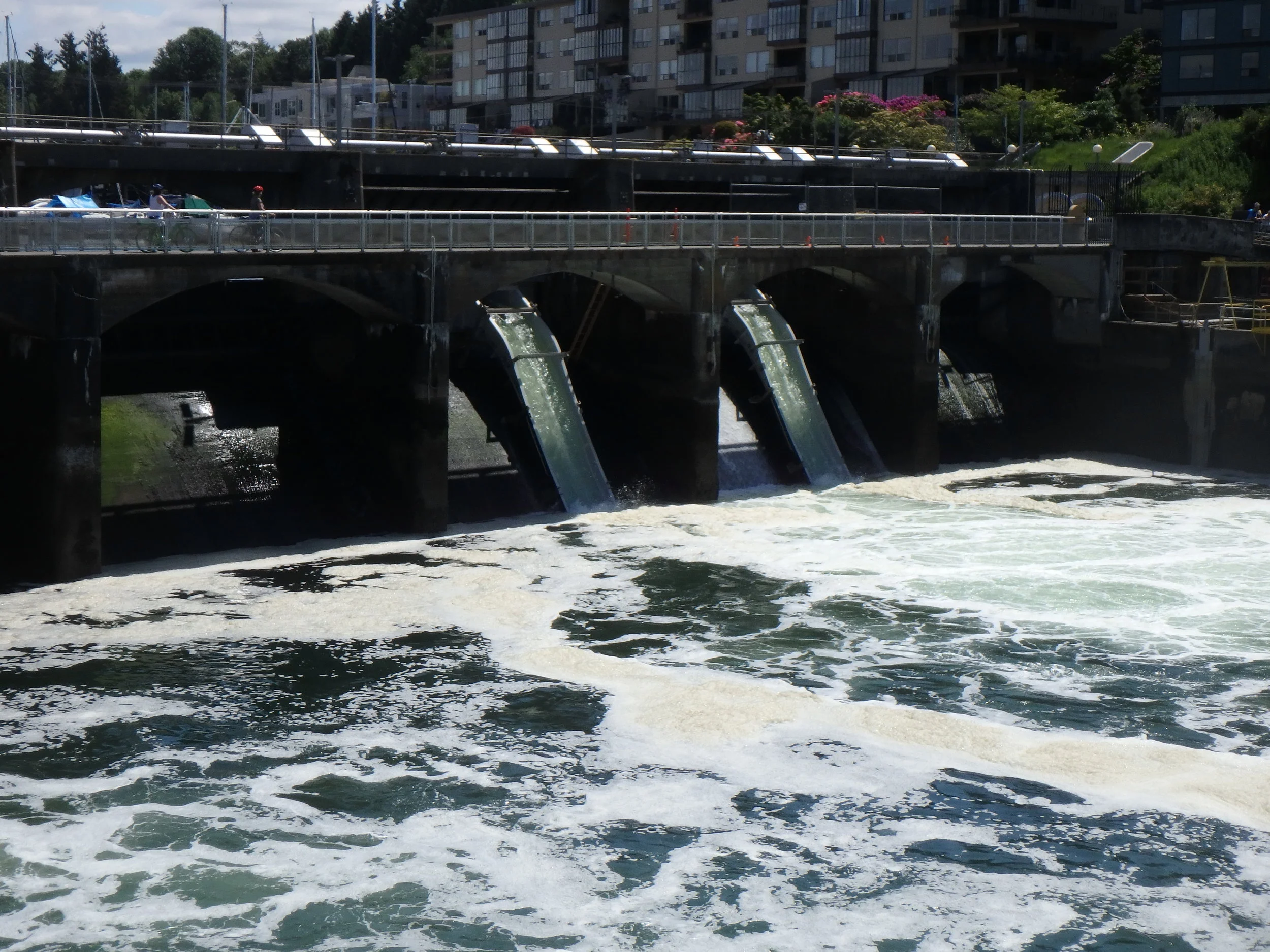
West Fork was the prime contractor for design and fabrication of the new 6’ fiberglass flumes and PIT antennas recently installed by the US Army Corps of Engineers in spillbay four and five at the Hiram M. Chittenden Locks in Ballard, WA.